


Educators and Social-Emotional Learning
Empowering educators with social-emotional learning
Welcome to Ed SEL Learning, an educator portfolio developed in East Tennessee. Explore curated strategies, classroom projects, and impactful resources created to support student growth and emotional resilience.

Effects on Social-Emotional Learning:
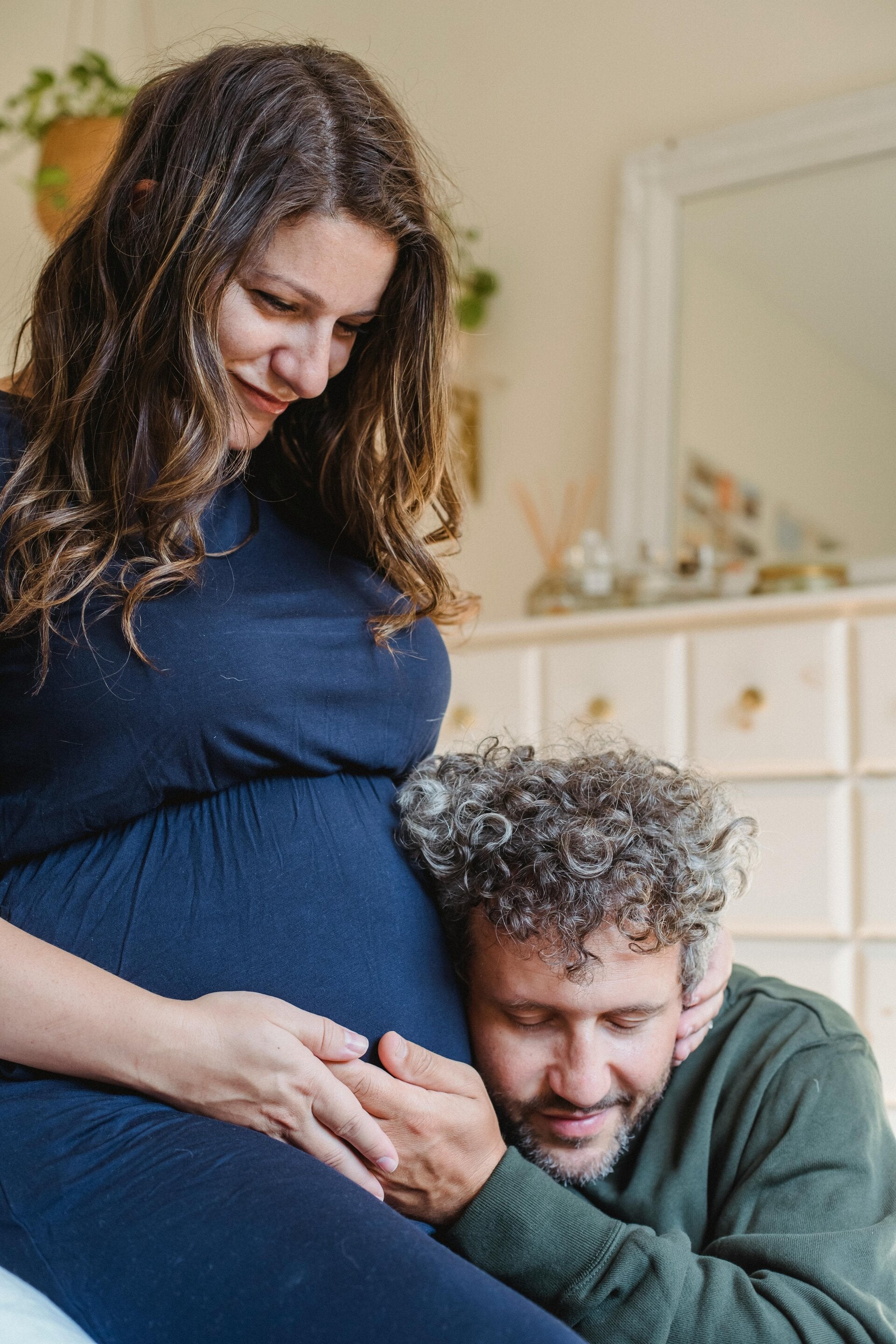
Effects of Prenatal Development and Care and Early Childhood Experiences have on Adolescence

Milestones and SEL Strategies or Activities for Infancy, Toddlerhood and Early Childhood

Definition of and Examples of Self-Regulation and Educators Encouraging and Modeling the Development of Social-Emotional Regulation Skills.

Social-Emotional Learning Strategies and/or Self-Regulation Skills for Families to Implement at Home

Effects of Prenatal Development and Care and Early Childhood Experiences have on Adolescence
While there is little research completed at the time that the article “The associate Between Prenatal Maternal Stress and Adolescent Affective Outcomes is Mediated by Childhood Maltreatment and Adolescent Behavioral Inhibition System Sensitivity” (2024) was written, there is still research showing affects that prenatal development and care has on early childhood experiences when it comes to adolescent social-emotional development. The effects of medications such as opioids and stress during pregnancy can contribute to cognitive issues (Sebok-Welker, Posta, Agrez, Radosi, Zubovics, Rethelyi, Ulbert, Paszthy & Bunford, 2024). The world studies on prenatal health and well-being are coming to light in recent years and are showing the effects such as suicide rates, mental disorders, and disability in adolescence (Sebok-Welker, Posta, Agrez, Radosi, Zubovics, Rethelyi, Ulbert, Paszthy & Bunford, 2024). On the other hand, prenatal consumption of nutrition and care by the mother have contributed to the lower risk of cognitive issues after birth (Sebok-Welker, Posta, Agrez, Radosi, Zubovics, Rethelyi, Ulbert, Paszthy & Bunford, 2024).
Milestones and SEL Strategies or Activities for Infancy, Toddlerhood and Early Childhood
There are different social-emotional milestones for each stage of life. For infancy social-emotional milestones can include smiling socially when their parents are around and smiling at ages 1-2 months old, regulating and calming themselves during ages 2-3 months, and can show stranger anxiety while showing attachments to familiar people at ages 6-12 months (Malik & Marwaha, 2022). Activities such as peek-a-boo, singing or humming to the child, and rolling a small ball back and forth.
Toddlers can be more progressive as they explore their environment and point to and look at things that they are interested in and want for ages 12-18 months, and between 18-30 months children can play next to or near another child but only play independently while learning pretend play such as talking on a phone (Malik & Marwaha, 2022). There are some great strategies for toddlers such as playdates while sharing toys, reading books about emotions to them, and using Play-Doh to help regulate big emotions.
Early childhood between ages 3-6 years old explodes with milestones such as children learn to play with others and pretend play expands to include dress-up and play “house” with their peers while ages 7-8 can understand rules and regulation while doing easier chores (Malik & Marwaha, 2022). One of my favorite games for early childhood is the memory match game is a great activity, then you can read them books about emotions, and chores can be introduced to them at home or in the classroom.

Definition of and Examples of Self-Regulation and Educators Encouraging and Modeling the Development of Social-Emotional Regulation Skills.
According to the article Strengthening the “Self” in Self-Regulation in Pre-K and Kindergarten: A Bridge to Lifelong Learning” (2024) on NAEYC.org, self-regulation is the “ability to manage one’s own emotions, thoughts, and actions.” Ways that educators can teach students to help regulate themselves can be as easy as the “count to 3” breathing technique as the student will mentally count to 3 as they take a slow, relaxing, calming, and deep breath in, count to 3 as they as they slowly and purposefully breath out while relaxing their muscles. Creating a calming center, which can be in the library where there is a comfortable atmosphere, where the student can sit comfortably and calm their “storm” (whether that’s crying, screaming, angry yelling, etc.) and take their deep breaths or have a familiar toy that they can focus on to help calm the storm.

Social-Emotional Learning Strategies and/or Self-Regulation Skills for Families to Implement at Home
Families can help their child can help with social-emotional learning by using various strategies at different stages and ages. When we are discussing from birth to 12 months or infants, parents can use touching a cuddling and from ages 12-30 months old parents can help by setting up a calming area in their favorite spot in the house and include some of their favorite items as strategies. For Ages 3-8 years old it’s a great idea to set up playdates at a local park. Socializing for older children is always fun and distracting when it comes to social-emotional development.
Where is the Educator?
Location
East Tennessee
United States
References
Sebők-Welker, T., Posta, E., Ágrez, K., Rádosi, A., Zubovics, E. A., Réthelyi, M. J., Ulbert, I., Pászthy, B., & Bunford, N. (2024). The Association Between Prenatal Maternal Stress and Adolescent Affective Outcomes is Mediated by Childhood Maltreatment and Adolescent Behavioral Inhibition System Sensitivity. Child psychiatry and human development, 55(5), 1–21. https://doi.org/10.1007/s10578-023-01499-9
Malik F, Marwaha R. (2022). Developmental Stages of Social Emotional Development in Children. StatPearls Publishing. https://www.ncbi.nlm.nih.gov/books/ NBK534819/
Wilder-Smith, B., Bodrova, E, & Leong, D. (2024). Strengthening the “Self” in Self-Regulation in Pre-K and Kindergarten: A Bridge to Lifelong Learning. https://www. naeyc.org/resources/pubs/eyc/spring2026/bridge-to-lifelong-learning
Create Your Own Website With Webador